sheep to cloth: at the sorting depot
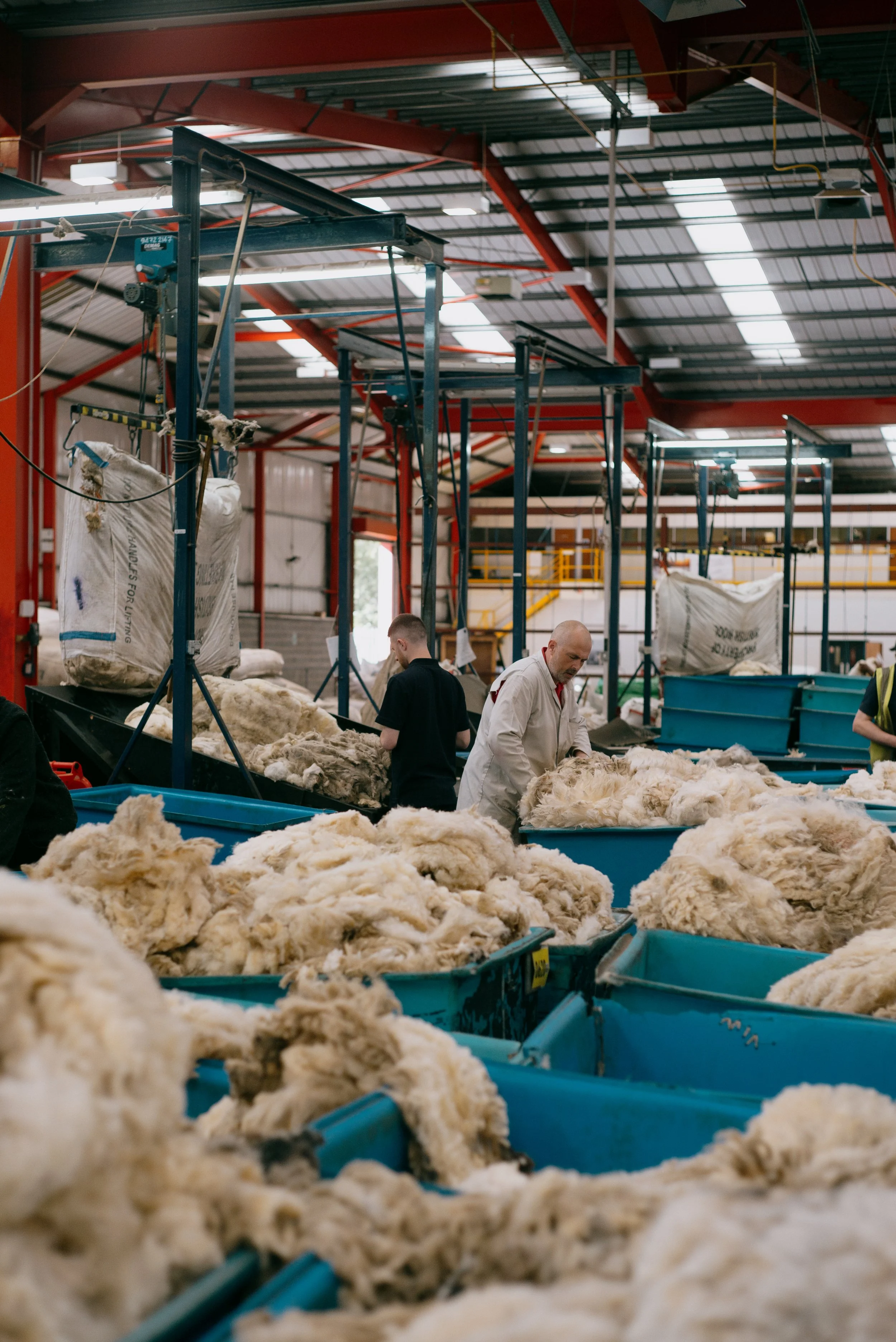
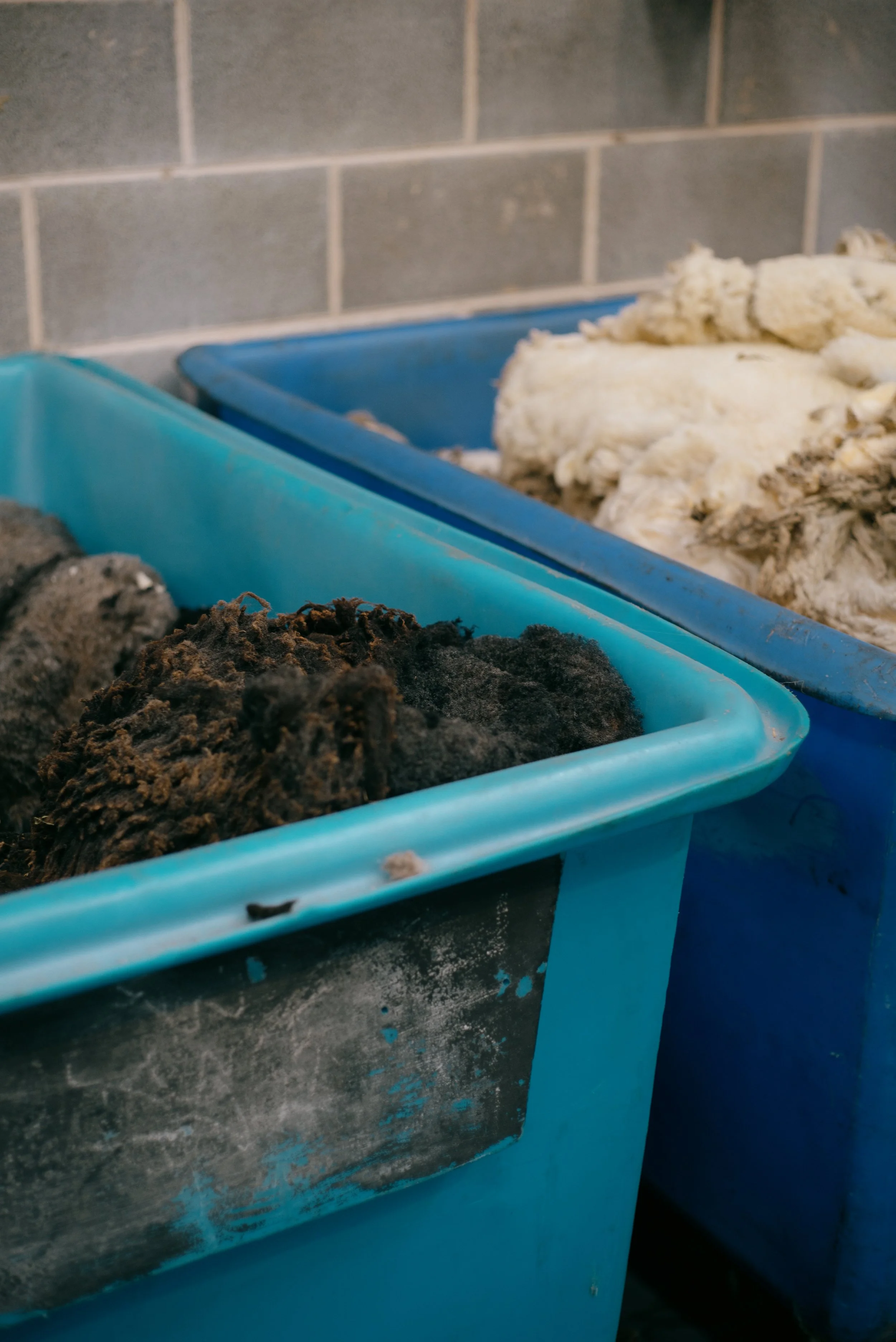
with discerning eyes and practised hands, skilled graders assess freshly shorn fleeces, reading the subtle distinctions of colour, length, strength, fineness and handle. it is a knowledge acquired through years of experience, where sight and touch reveal the character and potential of the raw wool. this is the sorting depot.
Part of our series tracking the journey of wool from raw fleece to finished cloth, we speak to Ian Brooksbank, Manager of British Wool’s Bradford grading depot, about the intricacies of his craft, the remarkable variety of wool produced by Britain's sheep breeds, and why understanding the raw fibre is fundamental to appreciating the finished cloth.
Photography by Arran Cross.
Q: For someone who has never visited a grading depot, what happens to a fleece from the moment it arrives with you?
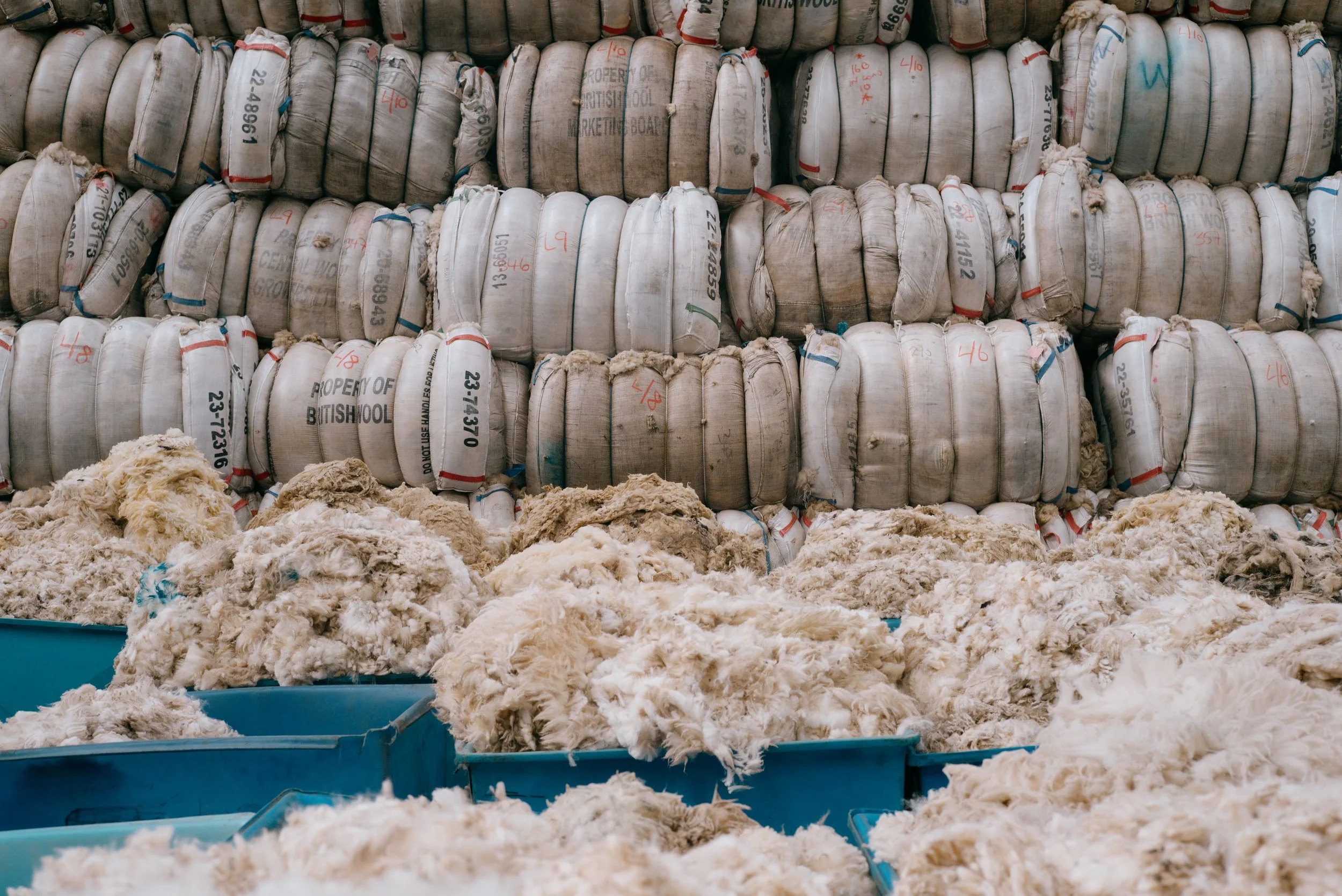
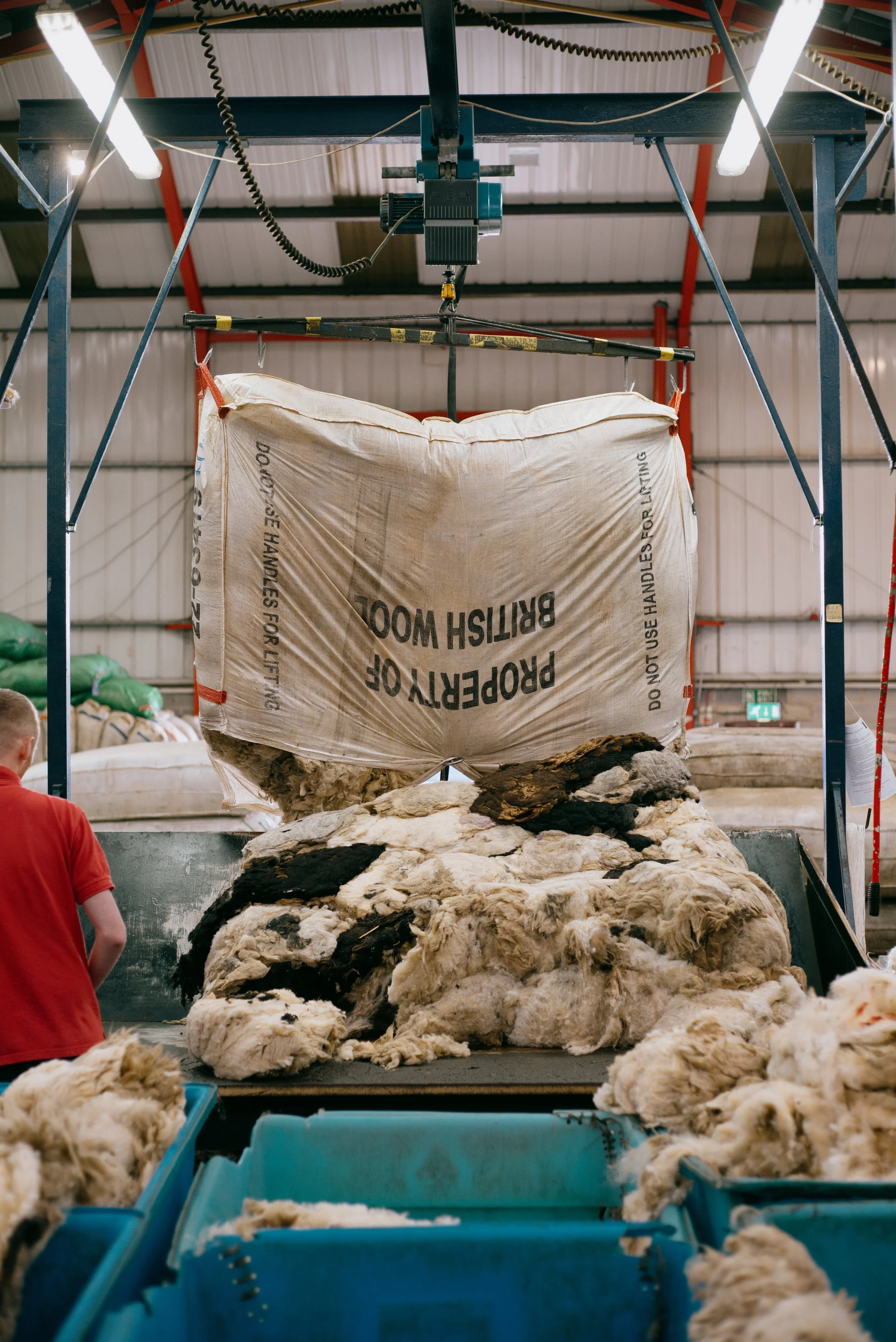
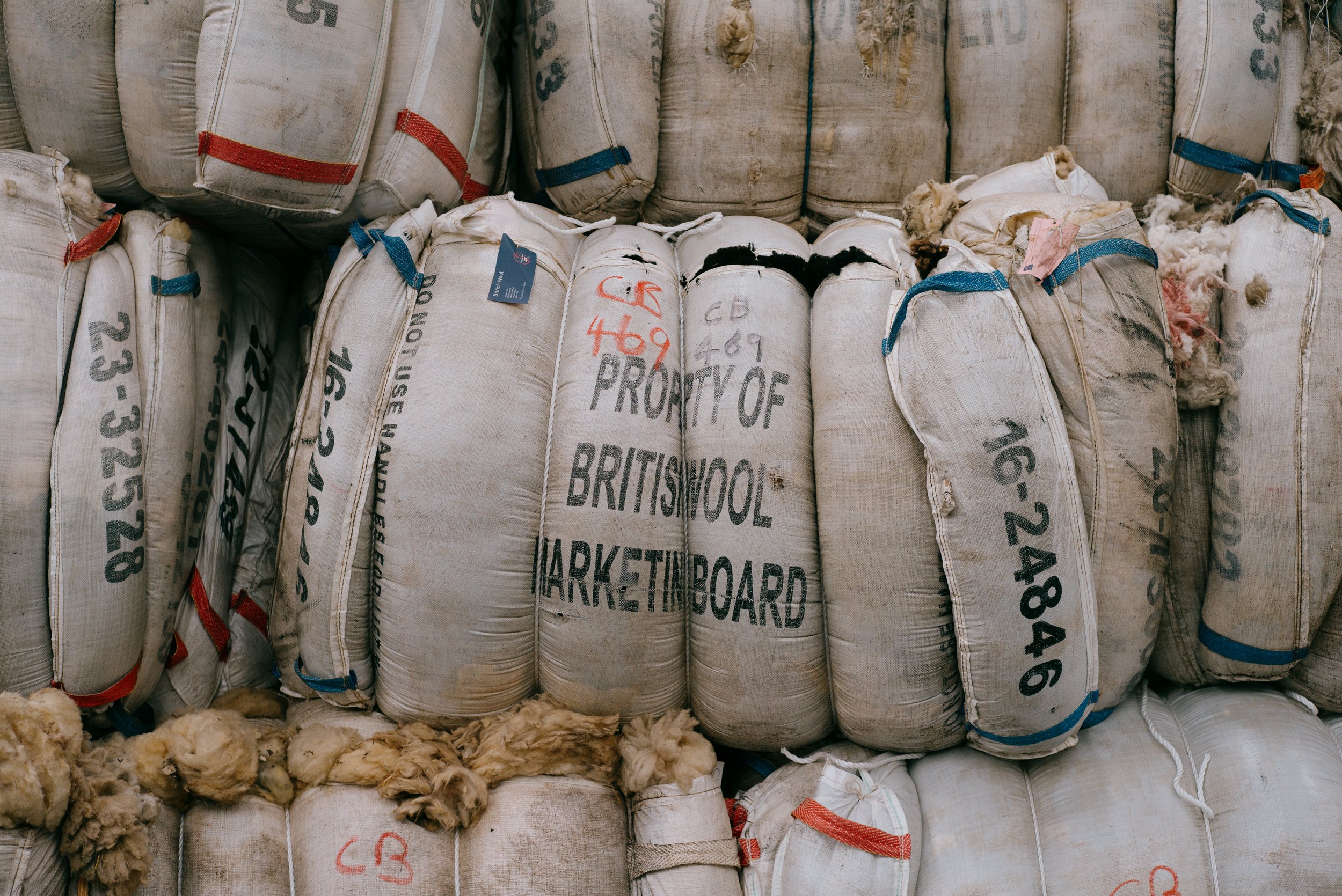
A: Every fleece handled by British Wool is graded by hand. The grader is making a very quick but informed assessment of what that fleece actually is and where it belongs. We don't simply grade according to the breed of sheep. We're looking at the characteristics of the wool itself and putting fleeces of similar type and quality together. Sale lots are then independently tested for characteristics including yield, micron, colour and vegetable matter before the wool is offered through auction. You're essentially taking huge natural variation from farms across Britain and turning it into something the textile industry can trust and buy consistently.
Q: What can an experienced grader understand about wool simply by looking at and handling it?
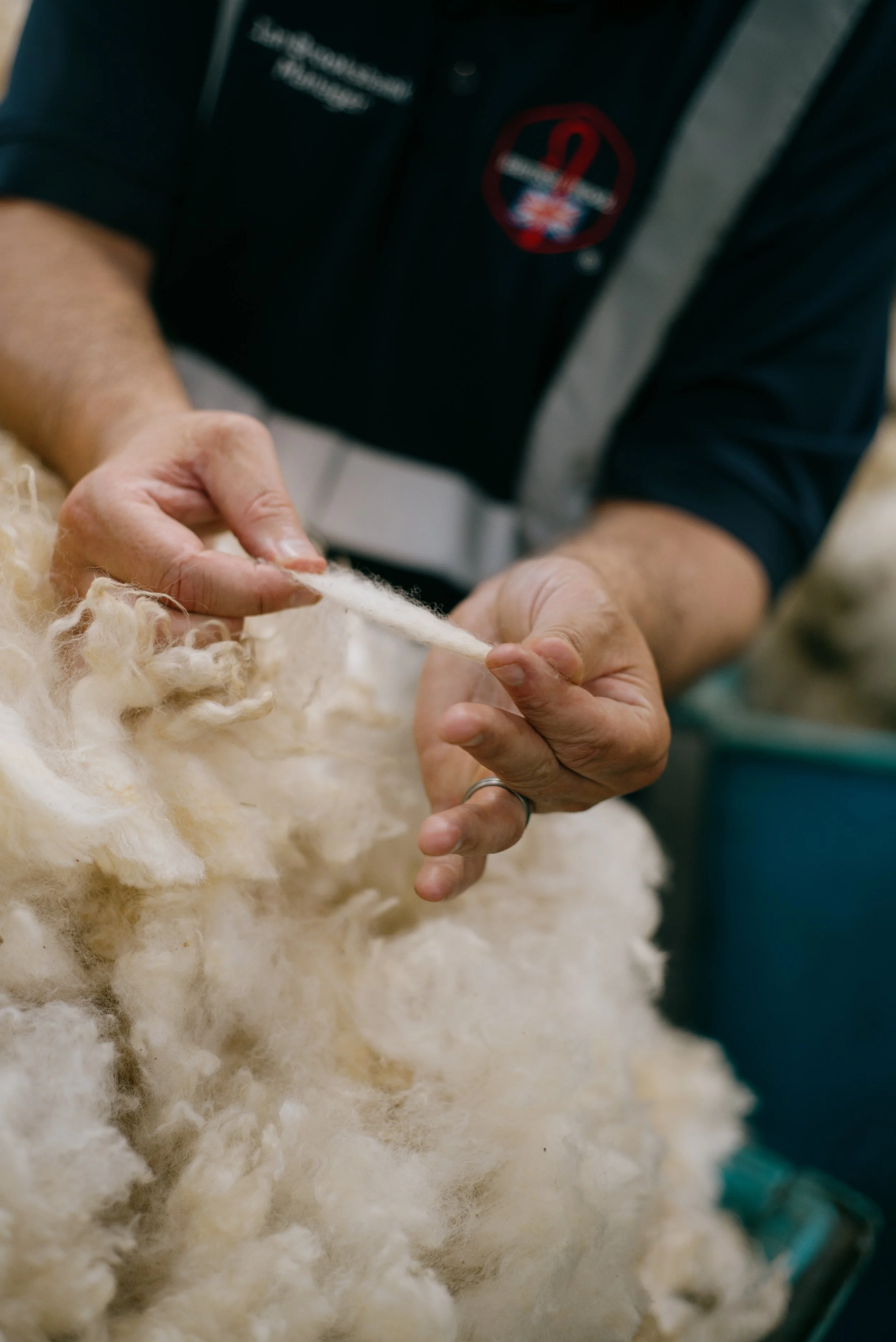
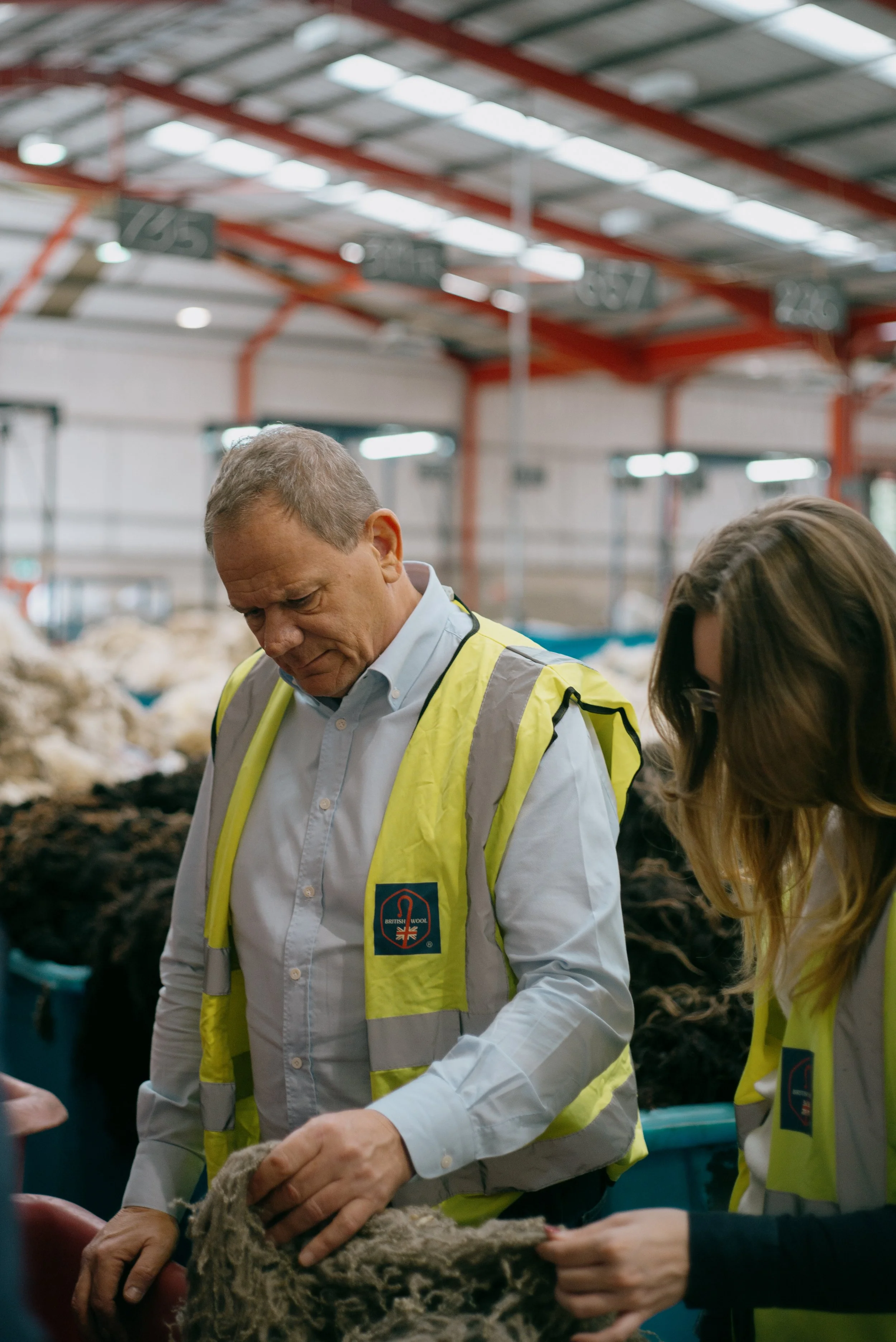
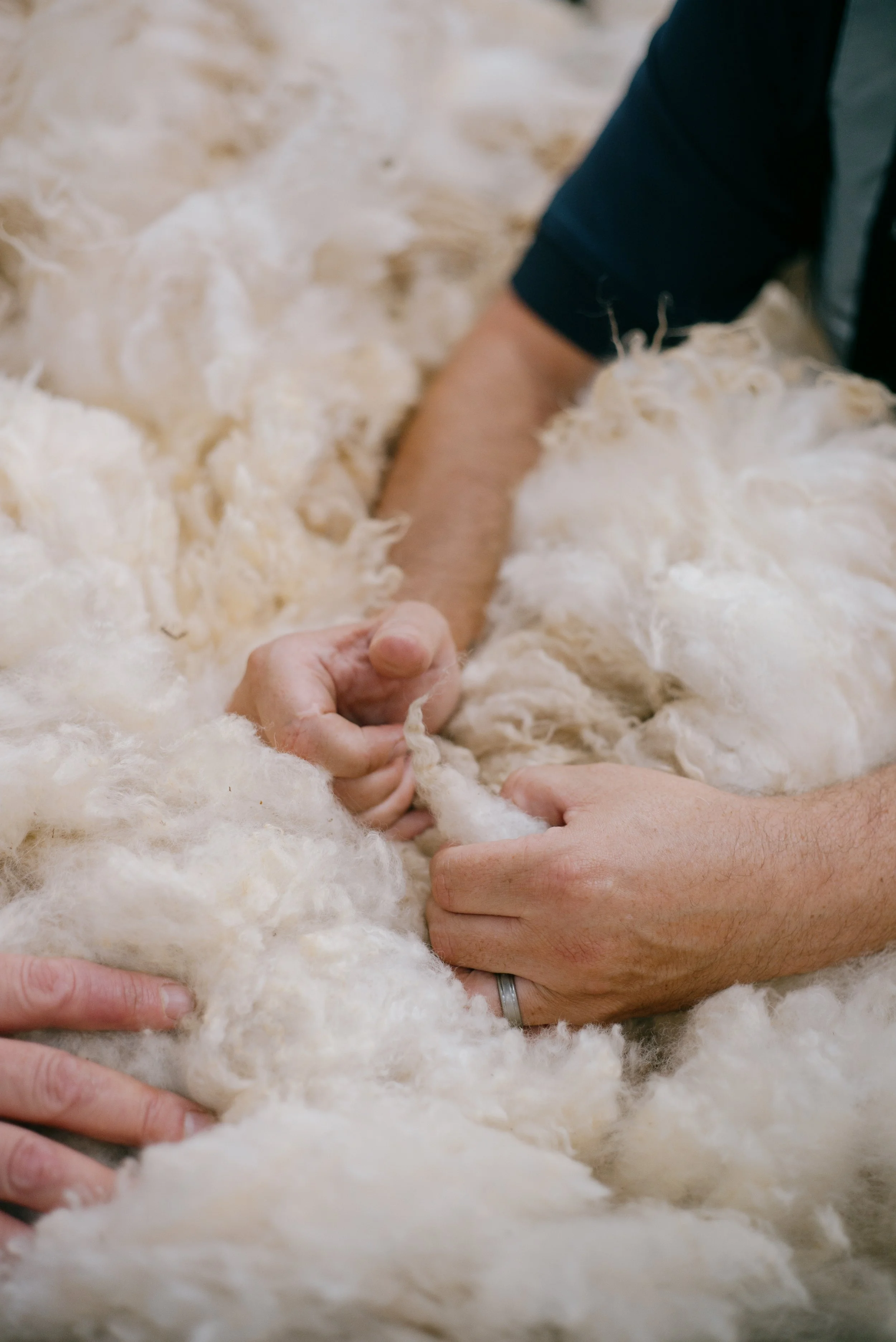
A: A surprising amount. First you're determining the general style of the wool. We look at things such as staple length, crimp, fineness, handle and lustre. Then within that style we're assessing its quality, including things such as colour, staple strength, uniformity, kemp, grey fibre and whether there is any matting within the fleece. Once you've handled wool for a long time, your hands and eyes become incredibly knowledgeable. You start recognising whether something is fine and springy, silky and lustrous, long and strong, or much coarser and harder wearing. That's really what makes wool grading fascinating. You're using objective criteria, but applying them to a natural material where no two fleeces are exactly identical.
Q: How much variation can there be between different breeds and fleeces, and what are some of the characteristics that distinguish one type of wool from another?
A: The variation is enormous and I think it is one of British wool's greatest strengths. We have more than 60 pure breeds of sheep in Britain, and British Wool divides the wool broadly into six main styles: Fine, Medium, Cross, Lustre, Hill and Mountain, alongside a number of speciality types. At one end you can have Southdown wool, which is very short and very soft. Bluefaced Leicester can be fine, silky and highly lustrous. Then you have longwools such as Teeswater and Wensleydale, where the staple can reach up to 18 inches and has a wonderfully defined curl. At the other end you've got mountain wools such as Herdwick, which can be very coarse, wiry and hard wearing. So British wool isn't really one material. It's a whole family of materials, and those different characteristics create opportunities for very different applications.
Q: Is grading something that can be taught from a set of rules, or is there an instinct for wool that only develops through years of handling it?
A: It's definitely both. There is a formal grading system and clearly defined characteristics, so there is a great deal that can be taught. But you cannot replace experience. At British Wool the apprenticeship for a grader is a minimum of three years, which tells you something about the depth of knowledge involved. The more wool you handle, the more you develop that instinctive recognition. Eventually you're not consciously working through a checklist for every fleece. Your eye and your hands start recognising the characteristics almost immediately. That's why I think grading is an important craft skill as well as a technical one.
Q: What makes a particularly good fleece? Are there qualities you recognise almost immediately when you pick one up?
A: I think what stands out is when a fleece really expresses the characteristics you want from that particular type of wool. It isn't simply a case of saying the softest or finest fleece is automatically the best. A good Fine fleece and a good Mountain fleece are completely different things. Broadly, though, you're looking for consistency and uniformity, good colour appropriate to the grade and a sound staple. British Wool's No. 1 grading, for example, describes good uniformity of style, length and colour with a sound staple. And when you handle a particularly characteristic fleece, you often recognise it immediately. There can be that moment where the handle, length, strength, crimp or lustre is exactly what you expect that wool to be.
Q: How much does the way sheep are raised, the landscape they live in, or the conditions of a particular year affect the wool that eventually reaches the depot?
A: Wool tells you quite a lot about the animal that grew it. Breed obviously has a major influence, but it's not the whole story. Climate, habitat and diet, the age and health of the animal, its care and the quality of shearing can all influence the wool that ultimately reaches us. And that's important because wool isn't manufactured to a specification inside a factory. It's a natural fibre grown by an animal in a particular environment. For me, that's part of what gives British wool its character. There's a connection between the sheep, the farm, the landscape and eventually the end product/cloth that is made.
Q: Are there particular breeds or types of British wool that you think deserve greater recognition?
A: I think some of our coarser and more distinctive British wools deserve much greater recognition. Sometimes the conversation around wool becomes dominated by softness and micron, but softness isn't the only measure of quality. A strong, resilient wool can be exactly what you want for an application that needs durability and structure. At the other end, the diversity of our speciality wools is extraordinary. You have something like Romney, which is semi-lustrous, then the beautifully white, crisp wool of the Cheviot, the distinctive mix of natural colours found in Jacob wool and the coarse, characterful mountain wool of breeds such as Swaledale and Rough Fell.
Q: Has the job of grading wool changed during your time in the industry, and are there traditional skills or areas of knowledge that you feel are particularly important to preserve?
A: One remarkable thing about grading is just how important the human skill still is. Our grading standards give people a framework, but the ability to pick up a fleece, handle it and understand its characteristics comes from extensive practical experience. That knowledge is incredibly valuable. So for me, one of the important things to preserve is that connection between technical knowledge and practical handling. You can record specifications on paper, but you also need people who really know wool.
Q: When you see a finished woollen product, whether that is a piece of cloth, knitwear or something else , do you find yourself thinking about the raw fleece and the journey it has taken to get there?
Absolutely. Once you've spent enough time around raw wool, it's very difficult not to. You can look at a beautiful piece of cloth, knitwear, carpet or interior product and think backwards: what characteristics did that fibre need to have to make this possible? And behind the finished product there's a much bigger story. There was a sheep that grew that fleece, a farmer who looked after that sheep, somebody who sheared it, and then the stages of grading, testing, selling and manufacturing that transformed it into the product you're holding. I think understanding that journey makes you appreciate the finished material much more.
Q: Finally, if you could put a raw fleece into the hands of a young fashion or textile student, what would you want them to understand about the material before they began designing with wool?
A: I'd tell them not to start by thinking about what they want wool to become. Start by looking at the fibre in your hands and asking what it naturally wants to do. Feel it. Pull out a staple. Look at its length, its crimp, its lustre and its structure. Compare a fine wool with a lustre wool or a mountain wool and you'll immediately understand that 'wool' isn't a single material. British Wool's grading system alone recognises almost 120 fleece grades because there is so much natural variation. For a designer, I think that's incredibly exciting. Instead of forcing every wool towards the same aesthetic, understand its characteristics and design around them. I'd really like designers to start asking: ‘What can this particular wool do?' rather than 'How fine is it?'
With thanks to Ian and the team at the British Wool sorting depot in Bradford for welcoming Dugdale and sharing their knowledge.