made in britain: charlie gladstone on why manufacturing matters
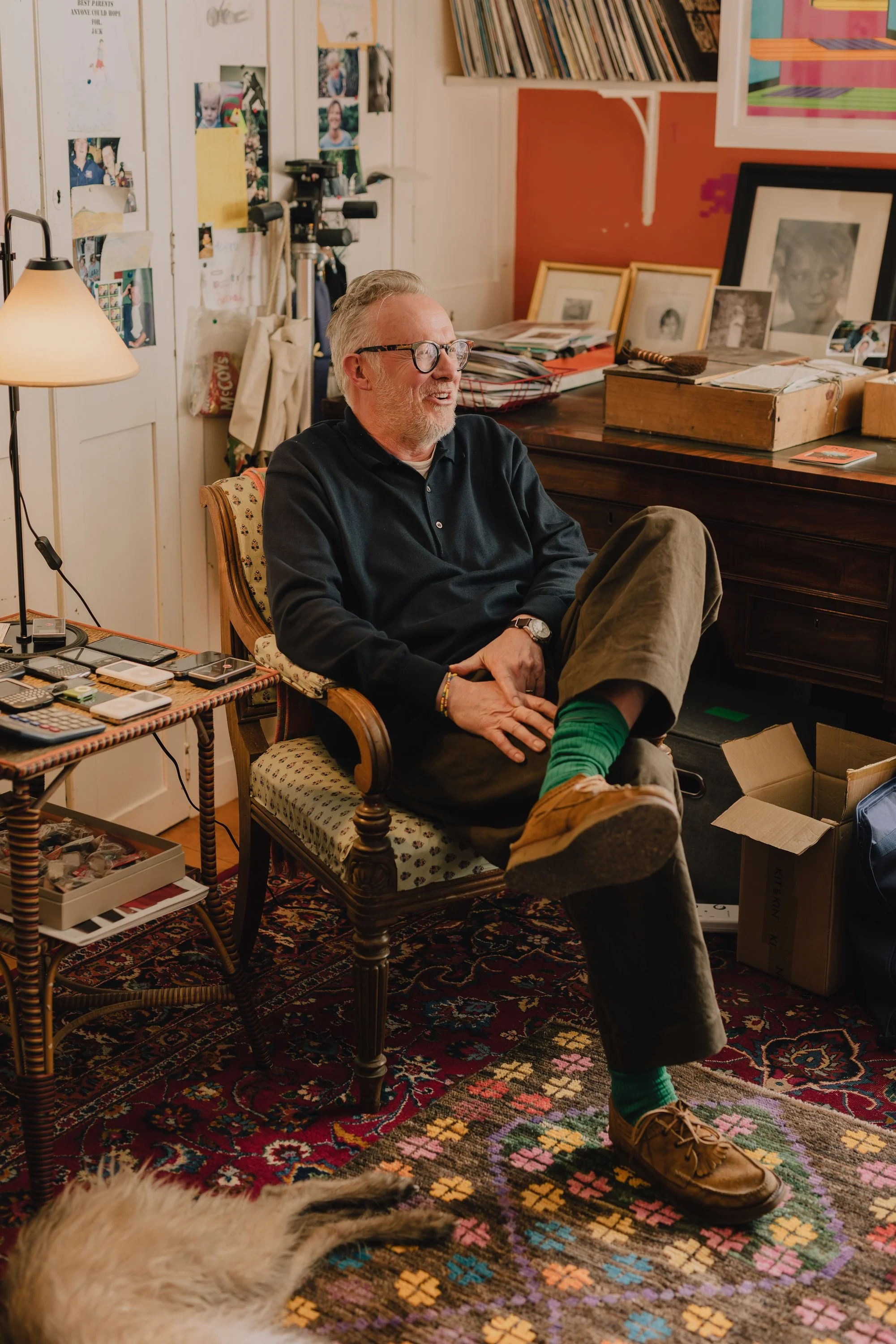
Charlie Gladstone at his home in Glen Dye.
why does it matter where something is made? for charlie gladstone, the answer has little to do with economics and everything to do with identity. in this personal reflection, he argues that manufacturing is woven into britain’s history, landscape and culture - and that it is down to us to maintain it.
by charlie gladstone
That something is made in Great Britain matters to me for lots of reasons; but mainly because I live in Great Britain.
Let me explain.
This is to do with feeling, with emotion, with something deep in my bones; something visceral, vital, ancient.
British goods are often beautifully made, but so are things from other countries. Let’s think about fabric for a moment. British cloth is very good; it is elegant, practical and enduring. And that’s all excellent. But so is Japanese and American cloth.
What really matters to me is simple; namely that British fabric is woven here in Britain. This is enough. Why? Because it means that that fabric has a long history; it’s my past, ancestry; our rivers, our soil, cities.
Without manufacturing, Britain is nothing. And so despite the inevitable march of the free market we have to fight to protect this industry. Absurd though it is, our national football teams will took to the World Cup pitches this summer in kit made in Asia. Our nurses’ uniforms were last made here long before I left school. Virtually no school child wears British made clothes.
Truthfully, government doesn’t really, can’t really, care about this. So, we must. Yup, that’s you and me. And if you stop to think about it, it’s actually pretty easy to care, because using British-made things feels good.
Provenance is a feeling; if you wear something woven in your own country you are part of a long and important chain of heritage. Making things is in our genes.
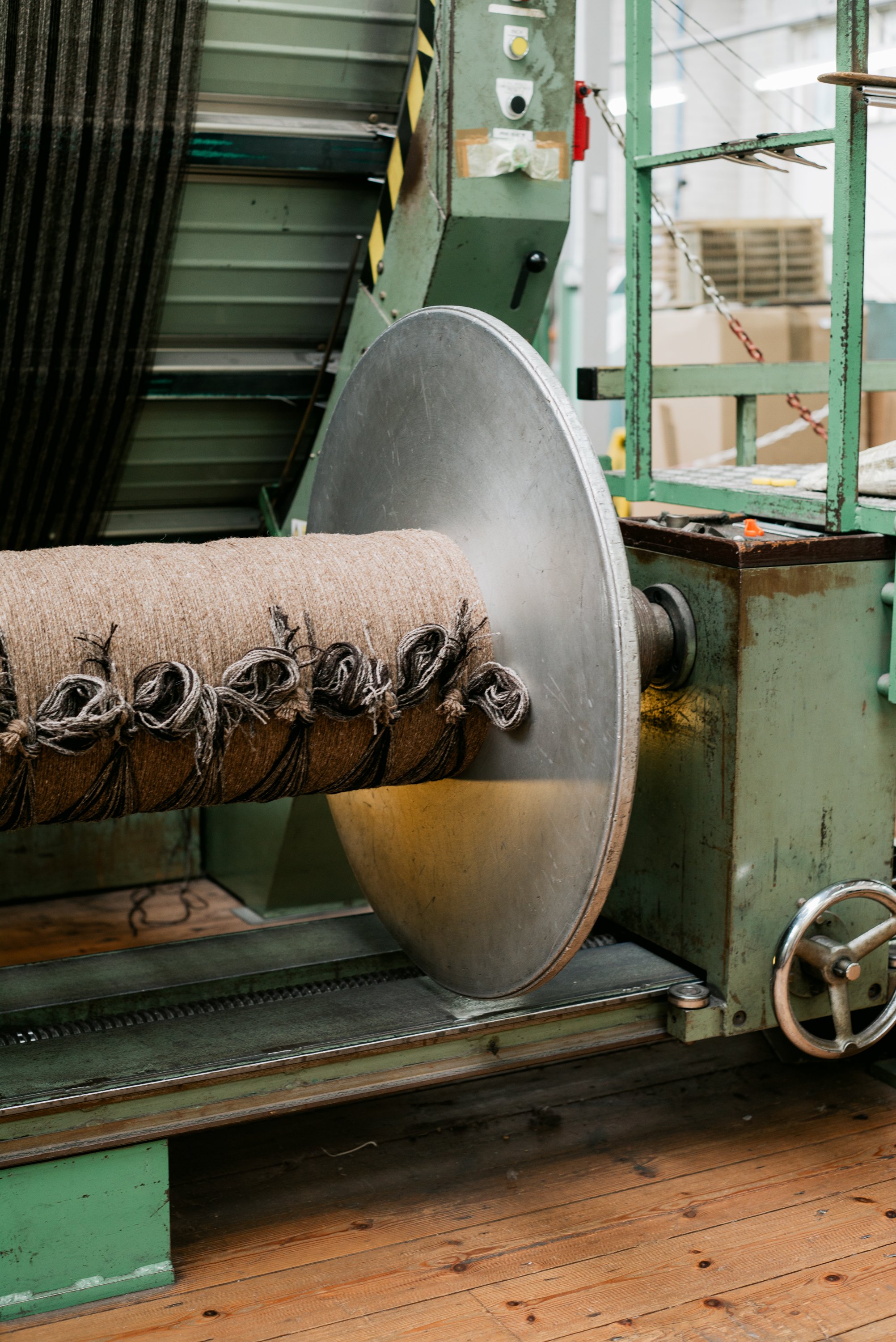
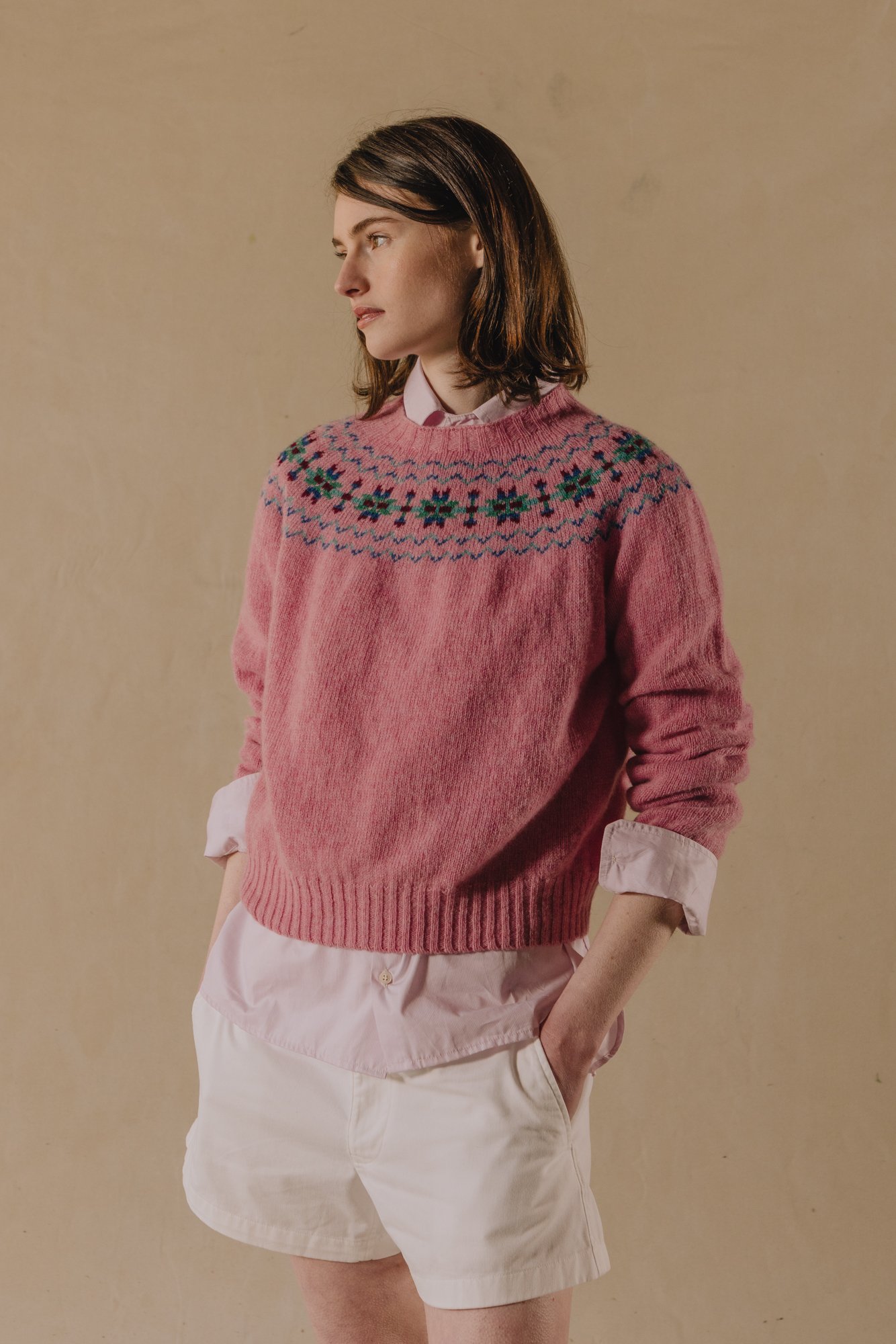
Your friends the Coopers, Smiths, Millers, Masons, Bakers, Butchers and Fletchers are named for their trades. That’s pretty elemental. Our trade is who we are.
Maybe your football team is the same. Arsenal are the Gunners because they were formed by workers at a munitions factory (I suppose their actual name gives that one away). Sheffield United are The Blades for that city’s global reputation for steel production. Stoke are The Potters. And on and on.
And manufacturing has shaped our landscape.
Mills, mines, factories, diverted rivers. These, too, are who we are. It’s in our soil too. Natural dyes shaped our tweed industry. Rivers power the mills that produce our flour. It’s elemental. It is in our DNA.
As the luxury industry shifts, a new generation of consumers look for new meaning in the things they buy. And this is an opportunity.
Generally, items with sentimental value mean more to us than other stuff, and their value is very easy to infer. Religious icons, special gifts, mementoes; monetary value is inconsequential here.
Next, and deeply connected to these sentiments, is provenance. Provenance adds layers of meaning to the goods we consume. It is visceral and real, and everyone needs to think about it because once you start, its importance becomes blindingly obvious.
I’m passionate about provenance, to the point that I know where everything that I wear was made, and how it was constructed. That adds meaning to all of my clothes, and, ergo, British-made have the greatest meaning.
The pursuit of British provenance takes effort, money, commitment. It is important and as such, it is rewarding. It’s going to be hard for us Brits to avoid ending up with a country full of little but data centres and supermarkets. This is crazy really, but it is likely unless all of us make the effort to understand that we are makers, that manufacturing is in our DNA and to lose it would be to lose our souls, and that the only way we can avoid such a grim dystopia is to buy British goods.
The best bit, though, is that these British-made things will sing to us, fill us with pride and joy, connect us to our past and our future, speak to us of our soil, our ancestors, our children.
And that feels really good.
Charlie Gladstone is an entrepreneur, writer and steward of several family businesses, including Hawarden Estate, Glen Dye and Gladstone / Hellen, a clothing brand whose garments are made entirely in Great Britain. @gladstone_hellen